
Seller Resources
Your Home Is Only New to the Market Once: Why Professional Photos Matter
Your home is only new to the market once. Before most buyers ever step through your front door, they see your photos. Professional real estate photography helps ensure your home's first impression accurately reflects what you're asking buyers to consider.
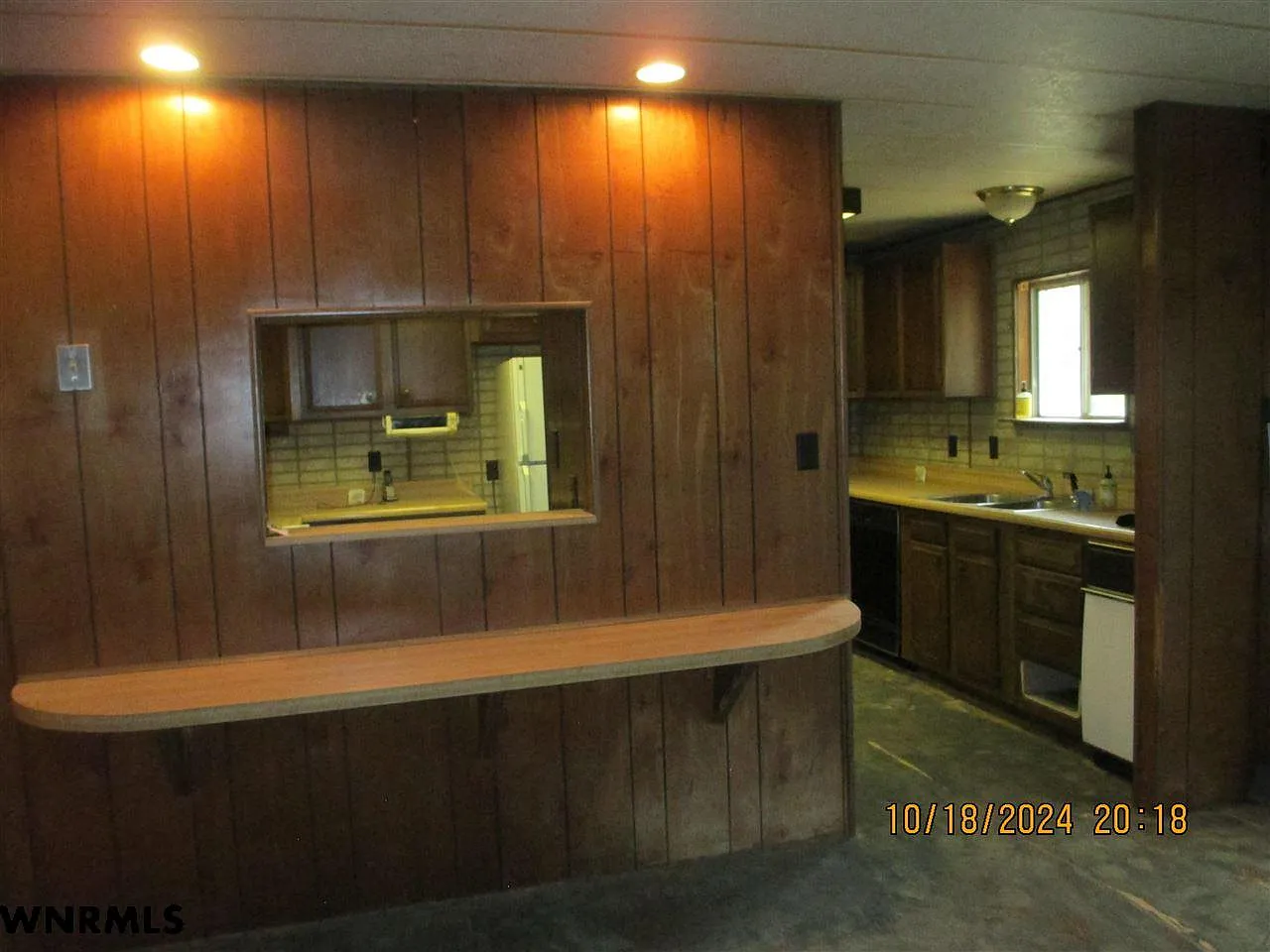
Your home is only new to the market once.
The day your listing goes live, buyers who have been waiting for the right property see it. Saved searches and listing alerts start working. Local agents notice it. People share it with spouses, family members, and friends.
And before most of those people ever step through your front door, they see your photos.
That is why professional real estate photography matters when selling your home. It isn't simply about making a listing look prettier. It's about making sure your home's first impression accurately reflects the property you're asking buyers to consider.
Current home-buyer research reinforces just how important that online presentation has become. In 2025, 81% of buyers rated listing photos as the most useful feature during their online home search, while 52% found the home they ultimately purchased online.
In the Scottsbluff and Gering market, I've seen firsthand how much that first impression matters.
A good property can look dark, cramped, dated, or overpriced because of poor photography. A professionally photographed home can communicate something very different: this property is worth a closer look.
Why Do Professional Real Estate Photos Matter When Selling Your Home?
Professional real estate photos matter because buyers frequently evaluate homes online before deciding whether to schedule a showing. Professional photography helps buyers clearly understand a home's space, light, layout, condition, and important features while giving the property a stronger first impression.
That's the short answer.
The bigger answer is that professional photography helps protect your home's opportunity to compete.
It doesn't guarantee a certain sale price. It doesn't guarantee your home will sell in a weekend. It can't fix incorrect pricing, deferred maintenance, a difficult location, or changing market conditions.
What it can do is remove one completely avoidable disadvantage:
Poor presentation.
If you've prepared your home, hired an agent, established a pricing strategy, and put one of your largest assets on the market, why allow bad photographs to become the reason someone scrolls past it?
Buyers May Decide Whether Your Home Is Worth Seeing in Seconds
Think about how people actually shop for homes.
A buyer looking around Scottsbluff or Gering may have several three-bedroom homes open on their phone at the same time. The prices may be relatively close. Square footage may be similar. The homes may even be in comparable neighborhoods.
Now imagine two of those listings.
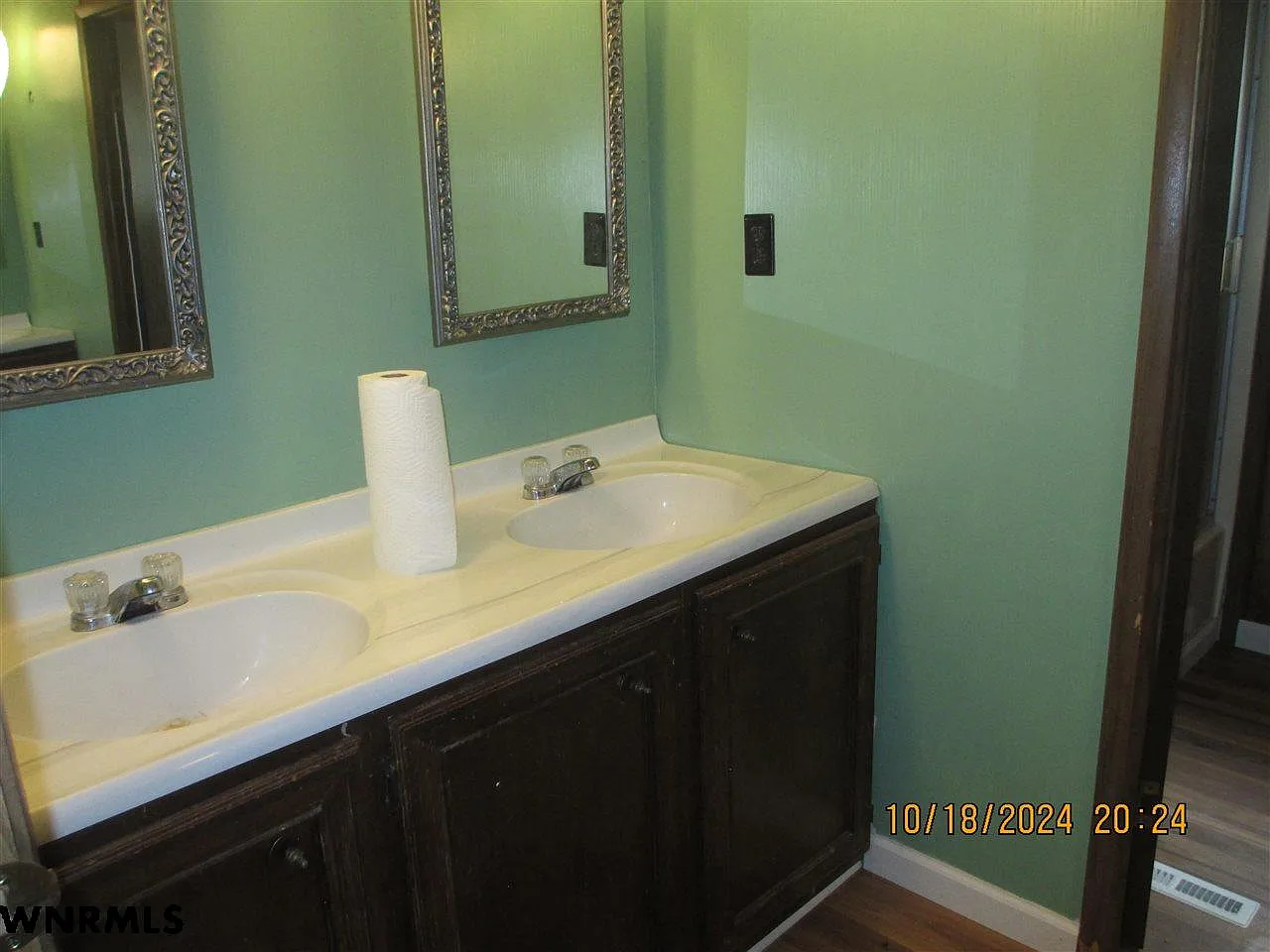
The first has a dark exterior photo. The living room is yellow from interior lighting. The camera is tilted. The kitchen looks cramped because it was photographed from the wrong position. Half-open blinds create distracting lines across the windows.
The second opens with an inviting exterior. The interior photographs are bright without looking fake. Walls are straight. The kitchen composition helps you understand how the space connects to the dining area. The gallery moves logically through the house.
The buyer hasn't stepped inside either home.
But the two listings already feel different.
Professional Photos Can Help Protect Perceived Value
Photography doesn't create the market value of your home. But photography absolutely influences how that value is presented.
Poor listing photos can unintentionally make a home appear:
- Smaller than it really is
- Dark or poorly lit
- More dated than it is
- Cluttered
- Poorly maintained
- Confusing in its layout
- Less competitive against similarly priced homes
That can become particularly important in the roughly $180,000 to $350,000 range in our local market, where buyers may have several comparable properties to consider.
Professional photography isn't supposed to manufacture value.
It should help buyers see the value that's already there.
"My Phone Takes Great Pictures." Why Hire a Professional Photographer?
This is one of the most reasonable questions a homeowner or agent can ask.
Modern phones have excellent cameras.
But my answer is:
Your phone may take great pictures—but that isn't the same as creating great listing marketing.
A listing isn't an everyday photograph. It's the first sales presentation for what may be your client's—or your family's—largest financial asset.
The camera is only one part of the process.
Professional Real Estate Photography Is About Decisions
When I photograph a property, I'm making decisions constantly.
Where should the camera be positioned?
Which angle best explains the room?
How high should the camera be?
What needs to remain visible so the buyer understands the layout?
How do I balance a bright window with a darker interior?
Is this room better photographed from the doorway or from another corner?
What should buyers see first in the finished gallery?
Professional real estate photography involves composition, lens selection, perspective correction, HDR capture, color management, window exposure, editing, exterior timing, and photo sequencing.
A photographer isn't supposed to walk into every room, stand in the doorway, press a button, and move on.
The goal is to understand what the buyer needs to see and communicate it clearly.
Wide-Angle Doesn't Mean Making a Bedroom Look Like a Ballroom
Wide-angle lenses are extremely useful in real estate photography. They're often necessary in bathrooms, smaller bedrooms, kitchens, hallways, and other tight spaces.
But there's a right way and a wrong way to use them.
A wide-angle image should help the buyer understand the room's layout and relationship to adjoining spaces. It shouldn't dramatically stretch the room until a 10-by-10 bedroom looks enormous.
That's one of my basic standards at Big Sky Realty Media:
The buyer should arrive at the showing and feel like the property matches the photos.
If they walk through the front door and immediately feel tricked, the photography hasn't done its job.
Professional Photography Should Show Your Home's "Best Real Self"
There's a difference between professional enhancement and deception.
My philosophy is that professional real estate photography should make a home look like its best real self—bright, clean, accurate, and inviting.
It should not create a version of the property that a buyer cannot actually walk into and see.
What Appropriate Professional Editing Looks Like
Normal professional editing can include adjusting exposure, correcting white balance, straightening vertical lines, correcting perspective, sharpening images, balancing highlights and shadows, and creating a natural-looking HDR image.
Those processes help the photograph represent what was actually there.
There are also small temporary distractions that can sometimes be corrected responsibly—a camera reflection, photographer shadow, dust spot, or similar issue that has nothing to do with the property's actual condition.
But editing crosses a line when it changes a buyer's understanding of the property.
I would not consider it appropriate to digitally hide water damage, cracks, damaged siding, permanent utility infrastructure, neighboring buildings, or other meaningful property characteristics simply because they aren't attractive.
What About Window Views and Sky Replacement?
Interior photography creates a technical problem: a room may be relatively dark while the sunlight outside the window is extremely bright.
Without proper technique, you either get a bright room with completely white windows or visible windows with a nearly black interior.
Professional HDR and editing can balance those exposures so buyers can see both.
What shouldn't happen is replacing the actual view.
If the window looks toward another house, you don't insert a mountain range. If there's no waterfront, you don't create one.
The same principle applies to skies. A realistic correction can improve presentation, but the image shouldn't suggest an extraordinary sunset, landscape, or setting that buyers won't experience at the property.
Virtual Staging Can Be Useful—When It's Honest
Virtual staging can be valuable for vacant homes and rooms whose purpose isn't immediately obvious.
A completely empty room can be difficult for some buyers to visualize. Thoughtfully adding virtual furniture can demonstrate how a living room, bedroom, or office might function.
But virtual staging should be clearly identified when required and used responsibly.
Adding a sofa is one thing.
Adding a fireplace that doesn't exist is another.
Virtual staging should help buyers imagine possibilities—not rewrite the property.
Are Professional Real Estate Photos Worth the Cost?
For most sellers, I believe professional photography is better understood as a risk-reduction investment than an expense.
You're investing in how the market experiences your home before buyers walk through the door.
The return isn't necessarily one isolated statistic. It's a chain reaction.
Stronger presentation can create more attention. More attention can create more informed interest. More informed interest can create better showing opportunities and stronger launch momentum.
Professional photography can contribute to:
- More attention when buyers encounter the listing
- A stronger first impression
- Better perceived presentation
- More informed prospective buyers
- Marketing assets an agent can use beyond the MLS
- Better representation of distinctive property features
- Reduced risk that buyers overlook a good home because of weak visuals
Again, photography doesn't replace correct pricing, preparation, repairs, staging, or an agent's follow-up.
It strengthens those efforts.
And when you compare the cost of professional media with the potential financial impact of a price reduction, the photography package is a relatively small part of the overall transaction.
Some Properties Need Professional Media Even More
I believe every residential listing deserves thoughtful photography, but there are properties where professional media becomes especially important.
Homes in Competitive Price Ranges
When buyers are comparing multiple similar properties, visual presentation becomes one more way a listing can separate itself.
Two homes can have similar bedrooms, bathrooms, square footage, and asking prices. The home whose marketing makes its layout and condition easier to understand may simply earn more consideration.
Higher-End and Distinctive Homes
If you're asking buyers to pay a premium, the marketing shouldn't undermine the pricing strategy.
A $300,000-plus home photographed with dark, inconsistent smartphone images can create a disconnect. The price says one thing while the marketing says another.
Depending on the property, professional still photography, twilight images, drone coverage, video, floor plans, or a dedicated property website may help tell a more complete story.
Acreage and Rural Properties
This is where generic national advice about real estate photography often misses what happens in western Nebraska and eastern Wyoming.
Sometimes the house isn't the whole product.
The buyer may also be evaluating five acres, 20 acres, a shop, detached garage, barn, fencing, driveway access, road frontage, views, and the relationship between several structures.
Take a ground-level photograph of a five-acre property and you may end up with a picture of a fence and a field.
Get the drone in the air and suddenly the property makes sense.
Sometimes the buyer doesn't just need to see the house. They need to understand the property.
Case Study: Making a Five-Acre Gering Commercial Property Make Sense
One of the clearest examples I've experienced involved two properties with the same seller.
The agent was handling her first commercial listing: a three-building complex on Morrison Road in Gering.
There was an office, a connected shop, and a detached utility building, all sitting on approximately five acres.
The challenge wasn't that the property wouldn't photograph well.
The challenge was that nobody could understand it without standing there.
And many of the likely buyers weren't necessarily going to be standing there anytime soon. They could be evaluating the opportunity from outside the immediate area.
A ground-level photograph of a commercial building shows you a building.
It doesn't necessarily tell you how three structures relate to one another, where the access points are, how much usable space surrounds them, or what five acres of commercial property actually looks like.
So we flew it.
Drone imagery showed the complete footprint and relationship between the buildings. We also completed full interior and exterior photography of all three structures.
A second property—a 5-plus-acre parcel on Country Club Road with a house—received similar coverage.
Then we built dedicated property websites.
Instead of the agent emailing a collection of files or asking an out-of-area buyer to piece everything together, she had one mobile-friendly link she could send to another agent, buyer, or investor.
The reaction I remember from that initial conversation came when I mentioned our turnaround time.
"Oh wow—super quick turn time."
Our standard commitment is 24 hours.
In a market where an agent may otherwise wait several days for listing photos, that can be the difference between publishing Tuesday and publishing Friday.
The lesson from that project wasn't simply that drones create impressive images.
The media solved an information problem.
It helped remote buyers understand a property they couldn't easily understand from the ground.
Selling in Western Nebraska Is Different From Selling in Denver or Omaha
A lot of national real estate photography advice assumes the buyer is nearby.
That's not always how our market works.
A buyer in a large metro may decide to tour a property and drive 20 minutes to see it.
A serious buyer considering an acreage, larger residence, agricultural property, or commercial opportunity around western Nebraska or eastern Wyoming may be hours away.
They could be deciding whether to make that drive based almost entirely on what they can learn from a screen.
That changes the role of photography.
The photos aren't simply marketing support for the showing. For some buyers, the photos are the first showing.
Scale Changes What Buyers Need to See
With an acreage or rural property, buyers may need to evaluate far more than countertops and bedrooms.
They may want to understand:
- Where the house sits on the land
- How multiple buildings relate to one another
- Access and road frontage
- Shops and garages
- Fencing
- Parking and turnaround space
- Views and surrounding land
- The general setting of the property
That's why drone photography can be much more than an impressive aerial cover photo.
It can be informational.
Distance and Weather Are Part of the Job
There are operational realities here that don't make it into many national photography articles.
Panhandle wind can ground a drone.
Weather can change quickly.
And when you're driving from Scottsbluff toward another community, you aren't necessarily 15 minutes away if something needs to be reshot.
Local real estate media requires planning, communication, and contingencies.
You want to arrive knowing what the property requires and leave knowing you've captured the complete story.
Good Photos Need to Keep Working
There's another important difference in a market where some properties may remain active for 60 or 90 days.
The photos aren't working for one weekend.
They're representing that property day after day—on listing portals, brokerage websites, social media, emails, and links agents send directly to prospective buyers.
Good photography keeps working. So does bad photography.
How Should You Prepare Your Home for Professional Real Estate Photos?
My rule for sellers is simple:
Clean it. Clear it. Brighten it. Simplify it.
You don't need to turn your house into a magazine set.
You want each space to feel intentional, functional, clean, and easy for another person to imagine as their home.
Clean It
Start with a thorough cleaning.
Pay attention to floors, mirrors, windows, countertops, appliances, bathrooms, and anything that catches light.
The camera notices things you may have stopped noticing after living in the house every day.
Clear It
Remove everyday clutter from kitchen counters, bathroom vanities, tables, floors, and entryways.
Put away mail, medications, charging cords, laundry baskets, pet supplies, children's toys, excessive refrigerator magnets, toiletries, and other personal items.
Make beds. Straighten towels. Fluff pillows.
The buyer should notice the room—not your morning routine.
Brighten It
Open blinds and curtains consistently.
Replace burned-out bulbs.
Make sure lamps and fixtures work.
If possible, avoid a room with five completely different bulb colors. Consistent lighting makes the entire gallery feel cleaner and more natural.
Simplify It
More decorations don't automatically create better photographs.
One intentional item on a kitchen counter can work beautifully. Twelve appliances, a stack of mail, paper towels, dish soap, and grocery bags usually won't.
Outside, remove garbage cans, hoses, toys, tools, and unnecessary vehicles. Mow and tidy the yard when seasonally appropriate.
And please secure pets and hide the litter box.
Don't Wait Until the Photographer Arrives
This is probably the most common photo-day mistake I encounter.
The appointment starts, and that's when someone begins cleaning the kitchen.
Shoot time should be spent creating the marketing—not moving clutter from one room to another.
A prepared home allows the photographer to concentrate on lighting, angles, composition, and coverage.
Great Photos Are the Floor, Not the Ceiling
Professional photography matters, but agents should expect more from a real estate media company than attractive images.
At Big Sky Realty Media, I want working with us to cost the agent less mental energy, not more.
That begins before the appointment.
The agent should receive clear scheduling information and know what needs to happen before the shoot. For an occupied property, that means communicating preparation expectations. For a commercial building or a property still under construction, it may mean asking specific questions a day or two beforehand.
If I have a Saturday shoot and something could affect that appointment, a Friday check-in isn't an extra service.
It's part of the job.
The Agent Shouldn't Have to Babysit the Shoot
On photo day, I want the agent to be able to walk away.
We should know the scope. We should know what needs to be captured. We should be able to work through the property efficiently and respectfully.
If there's an access problem, a room isn't ready, or something unexpected happens, we solve what we can and communicate what matters.
That's the difference between hiring someone who owns a camera and working with a media company.
Why Our 24-Hour Turnaround Matters
For Big Sky Realty Media, 24-hour turnaround isn't an aspiration.
It's the commitment.
For many agents, that means photographing today and having MLS-ready images the next morning.
Speed matters because the agent shouldn't have to choose between professional presentation and getting the listing launched.
Delivery should also be easy.
A property website gives an agent a single professional, mobile-friendly link that can be shared with a buyer, another agent, an investor, or an out-of-area client.
No complicated software.
No hunting through email attachments.
The goal is simple: book it, prepare the property, let us handle the media, and get back to selling real estate.
What Does Professional Photography Say About Your Real Estate Agent?
If you're a seller interviewing agents, pay attention to how they talk about marketing.
Imagine one agent says:
"I'll take some photos and put it on the MLS."
Another explains who professionally photographs the home, what preparation is required, whether drone or video makes sense, when the media will be delivered, and how the listing will be marketed once it's live.
That tells you something.
The second agent is willing to invest money in your property before they've made a dollar from selling it.
Professional photography isn't free. Neither are drone services, video, floor plans, property websites, or other marketing assets.
When an agent deliberately builds those services into a listing strategy, they're demonstrating how they think about the job.
Are they there to list your home?
Or are they preparing to market it?
That doesn't mean professional photography should be the only reason you choose an agent. Local market knowledge, pricing strategy, communication, negotiation ability, reputation, and experience all matter enormously.
But if you're comparing two otherwise capable agents, ask each of them exactly how they intend to present your home to the market.
Their answers can tell you a lot.
The One Question Every Seller Should Ask Their Agent
Before you sign the listing agreement, before the sign goes in the yard, and before a date is chosen for the property to go live, ask:
"Who is taking the photos, and can I see examples of their work?"
Notice that the question isn't:
"Are you going to take photos?"
Of course there will be photos.
Ask who is creating them.
Then look at their actual work.
Are the rooms bright but believable?
Are the walls straight?
Can you understand the layouts?
Do the homes look clean and natural rather than artificially stretched?
Do the exterior photographs make you want to see more?
For an acreage or distinctive property, ask whether drone photography makes sense.
Ask whether video, a floor plan, or a dedicated property website would help.
Ask when the finished media will be delivered.
And ask what the agent plans to do with those assets after the property is listed.
You aren't looking for someone who promises that beautiful photographs will magically sell your house.
You're looking for evidence that the person you've hired has a thoughtful plan for presenting it.
Your Home Is Only New to the Market Once
This is the point I want every seller to remember.
Your home is only new to the market once.
You can change the price later.
You can rewrite the description.
You can replace the photos.
You can even pull the property and relist it under the appropriate circumstances.
But you cannot perfectly recreate that first moment when your home appeared in front of buyers who had already been waiting for something like it.
Those buyers will form an impression.
And many will form it in seconds.
Your home is likely one of the largest assets you'll ever sell. The photographs representing it online may be seen by far more people than will ever walk through the front door.
Professional real estate photography isn't about making your home fake.
It isn't about making every property look like a million-dollar luxury listing.
And it isn't a guarantee of a faster sale or a higher price.
It's about presenting your property clearly, honestly, professionally, and at its best from day one.
Because you only get one first impression.
Make it count.
Frequently Asked Questions About Professional Real Estate Photography
Are Professional Real Estate Photos Worth the Money?
For most sellers, yes. Professional photography helps protect the home's online first impression and gives buyers a clearer, more appealing view of its layout, condition, and features. It cannot compensate for incorrect pricing or property problems, but it prevents weak photography from becoming an unnecessary marketing disadvantage.
Do Professional Photos Help a House Sell Faster?
Professional photography alone cannot determine how quickly a home sells. Price, location, condition, inventory, buyer demand, financing, and the agent's strategy all affect days on market. However, strong photography can improve how buyers initially perceive and engage with a listing, which is especially valuable during its launch.
Why Can't My Real Estate Agent Just Use a Smartphone?
A smartphone can take excellent individual pictures, but professional real estate photography involves much more than camera quality. Lens selection, camera placement, composition, HDR exposure, perspective correction, color accuracy, editing, exterior timing, and gallery sequencing all contribute to an effective listing presentation.
How Many Photos Should a Real Estate Listing Have?
There isn't one ideal number for every property. The goal should be enough high-quality photographs to explain the home without filling the gallery with repetitive images. A smaller residential property and a five-acre commercial property with multiple buildings naturally require different levels of coverage.
Should Real Estate Photographers Use Wide-Angle Lenses?
Yes, when they're used responsibly. Wide-angle lenses help buyers understand smaller rooms and the relationship between spaces, but they shouldn't be used to substantially exaggerate room size. The property should still feel familiar when the buyer arrives in person.
Is Drone Photography Worth It When Selling a Home?
Drone photography can be particularly valuable for acreage, rural homes, large lots, outbuildings, commercial properties, views, and properties where location or land is an important part of the value. Aerial photography can help buyers understand relationships and scale that ground-level photos cannot easily communicate.
Can Professional Real Estate Photos Be Edited?
Yes. Professional editing commonly includes exposure adjustment, color correction, HDR blending, perspective correction, sharpening, and other changes designed to accurately present the photograph. Editing becomes problematic when it hides meaningful defects or adds, removes, or changes property features in a way that could mislead buyers.
How Should I Prepare My House for Real Estate Photos?
Remember four things: clean it, clear it, brighten it, and simplify it. Declutter countertops and floors, make beds, remove personal and pet items, open blinds, replace burned-out bulbs, tidy exterior areas, move unnecessary vehicles, and have the home completely ready before the photographer arrives.
What Should I Ask My Agent About Listing Photography?
Start with: "Who is taking the photos, and can I see examples of their work?" Then ask whether your property would benefit from drone photography, video, floor plans, or a dedicated property website; how quickly the media will be delivered; and how those assets will be used to market the listing.
Share this article